
Preparation for an OSHA inspection begins with the way the site operates every day: hazards are reviewed, workers understand the work and responsible people can explain the protection in place. A clear safety process also helps the team respond when an inspector arrives.
OSHA normally conducts inspections without advance notice. Its inspection process includes presenting credentials, an opening conference, a walkaround and a closing conference. OSHA Inspections Fact Sheet
This guide explains the federal process and practical preparation for a construction business. This guide is general information, not legal advice.
Understand Inspection Priorities
OSHA's Field Operations Manual generally prioritizes imminent danger, fatalities or catastrophes, complaints and referrals, and programmed inspections, in that order. The manual permits justified scheduling deviations to use resources effectively and protect workers. OSHA FOM Chapter 2, Table 2-1
The reason for an inspection helps explain its starting scope. A complaint may identify a particular activity or location. A programmed inspection may arise from an agency targeting program. Ask about the scope during the opening discussion and identify the people who know the affected work.
Keep your daily review focused on the actual hazards. A construction site changes as crews, equipment and work areas move. Preparation needs to follow those changes throughout the project.
Establish Site Responsibilities Before An Inspection
Identify the company contact who can meet the inspector and the safety personnel who know the work. Make sure someone can locate relevant records and contact the responsible supervisors. Include an arrangement for times when the usual contact is off site.
Construction programs must include frequent and regular inspections of jobsites, materials and equipment by competent persons designated by employers. 1926.20(b)(2)
Use the construction safety compliance guide to organize topics such as access, fall protection, PPE and excavation. Keep the review connected to the work currently being performed and the people responsible for correcting concerns.
These are practical preparation steps for your team. They help make the site's existing safety process understandable when someone asks how an activity is managed.
Credentials And The Opening Conference
The inspection regulation provides for the officer to present credentials and explain the nature and purpose of the inspection, generally including its scope and the records to be reviewed. 1903.7(a)
OSHA's Field Operations Manual describes the opening conference as the point to discuss inspection purpose and scope, relevant records, employee interviews, representation and the closing conference. OSHA FOM Chapter 3, Opening Conference
Listen carefully and keep notes of the work areas and records identified. Have the appropriate company and employee representatives available. If a question requires information from another supervisor or employer, identify that contact clearly.
Use the discussion to understand the process and provide accurate information about the site. Distinguish what you know from information that needs to be obtained from the person responsible for the task.
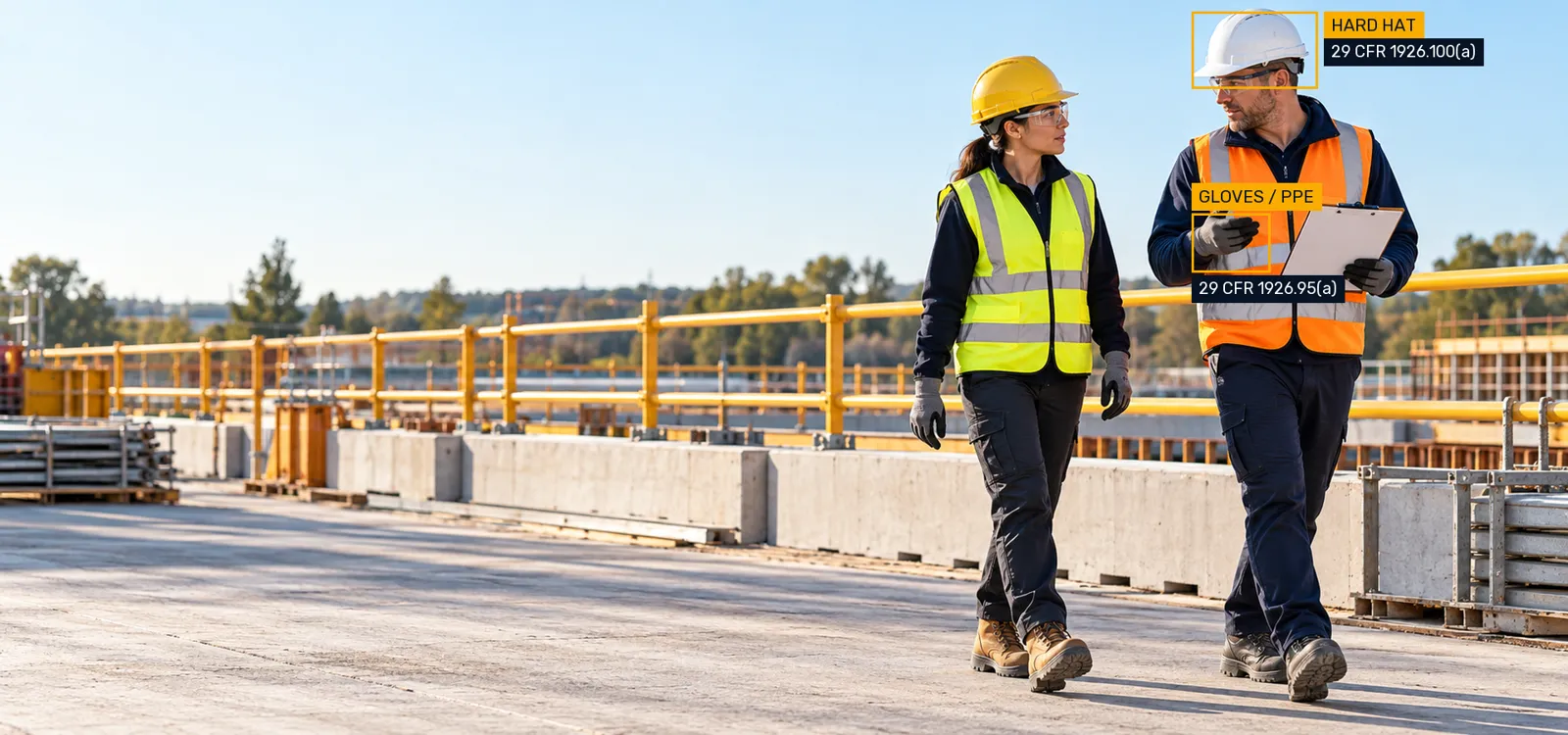
What Happens During The Walkaround
Authorized employer and employee representatives have an opportunity to accompany the officer during the physical inspection, subject to the regulation. 1903.8(a)
The officer can take samples and photographs, use reasonable investigative techniques and question employers or employees privately. The inspection must avoid unreasonable disruption of the employer's operations. 1903.7(b), (d)
Have the people who understand the work explain the activity and the protection in place. Maintain a clear record of locations and conditions discussed. When a concern is identified, involve the responsible person so the site's response can be assessed and arranged.
Keep ordinary safety controls operating during the visit. The work, its hazards and the protection required remain the focus. A new task or a trade handoff can create conditions that need attention while the inspection is underway.
Keep Required Records Accessible To The Responsible Team
Know where the business maintains the records applicable to its work. For covered injury recordkeeping, OSHA identifies Forms 300, 300A and 301, or equivalent forms. 1904.29(a)
Our OSHA reporting guide explains the separate purposes of routine records, annual summaries, electronic submission and direct incident reporting. Use the official sources linked there to identify the duties relevant to your establishment.
Assign someone who can locate the information and explain the recordkeeping process accurately. Keep requests organized so the team understands what has been requested, provided or referred to another responsible person.
Use The Closing Conference To Understand Findings
At the end of an inspection, the officer confers with the employer or representative about apparent violations and gives the employer an opportunity to provide relevant workplace information. 1903.7(e)
OSHA's inspection fact sheet explains that the closing conference discusses findings and possible next steps, including informal conferences or contests of citations and proposed penalties. OSHA Inspections Fact Sheet
Clarify the conditions discussed and identify the people needed for follow-up. Keep the closing discussion and any later formal documents together in the business's response process. Make sure unresolved questions reach the person responsible for handling them.
Citations, Deadlines And Abatement
Read any citation and notice promptly. An employer's written notice of intent to contest must be postmarked within 15 working days of receipt of the proposed-penalty notice. The rule specifies the written notice to the Area Director. 1903.17(a)
Abatement means correcting the cited condition. The verification rule addresses certification, required supporting documentation and communication with affected employees. Required documentation can include repair or purchase evidence, photographs, video or other records. 1903.19(c), (d), (g)
Identify the person handling the formal response, the action needed on site and the dates in the documents. Review the citation and official instructions for the applicable duties. Contact the agency through the official routes in our contact guide when clarification is needed.
Read about OSHA construction penalties for the citation categories and response context.
Keep The Construction Handoff Clear
Several employers may know different parts of the work. Keep a short contact and responsibility list so a question reaches the person who can answer it accurately.
| Information Needed | Person To Identify |
|---|---|
| Work sequence and active areas | Project or site supervisor |
| Task-specific protection | Responsible safety lead or competent person |
| Equipment and installation details | Supervisor responsible for that equipment |
| Injury records | The business's recordkeeping contact |
| Formal citation response | The person assigned to handle the documents |
After the inspection discussion, use the same list to coordinate corrections and unresolved questions. Keep the record tied to the actual condition and the action taken on site.
Use Video Checks In The Daily Safety Routine
Osha Ask reviews job site video and photos and checks what it sees against OSHA requirements. It flags hazards and missing safety measures so your safety team can act on them sooner. Each flag shows the related OSHA rule for the team's review.
AI helps your safety team see more; your people still make the call.
Explore OSHA compliance software and AI video safety monitoring.
Osha Ask is an independent software product and is not affiliated with OSHA or the U.S. Department of Labor.